From Harley Street to Your Hairline: London’s Gold Standard for Modern Hair Transplants
Discreet confidence with visible results: that’s the promise drawing patients to London’s most established medical streets. In a city that blends heritage with innovation, the craft of hair transplant surgery has evolved into a meticulous, artistry-led discipline. Whether it’s the prestige of Harley Street, world-class surgical methods, or robust regulatory oversight, London offers a uniquely safe and sophisticated environment for people seeking natural hair restoration. Understanding what sets elite clinics apart—surgeon skill, donor management, and ethically guided plans—can help ensure long-term density, natural framing, and a result that ages gracefully.
Why Harley Street Leads the Way in Advanced Hair Restoration
Harley Street is synonymous with clinical excellence for a reason. The area’s reputation has been built over generations of specialists who focus on rigorous standards and patient-first care. In the context of hair transplant harley street, this means surgeon-led planning, evidence-based techniques, and precision executed by teams trained to operate under strict protocols. Surgeons here commonly use refined FUE (Follicular Unit Excision) with small, sharp punches—often 0.8–0.95 mm—to reduce scarring and maintain graft integrity. When FUT (Follicular Unit Transplantation) is indicated, microscopic dissection helps preserve follicular units, protecting growth rates and minimizing transection.
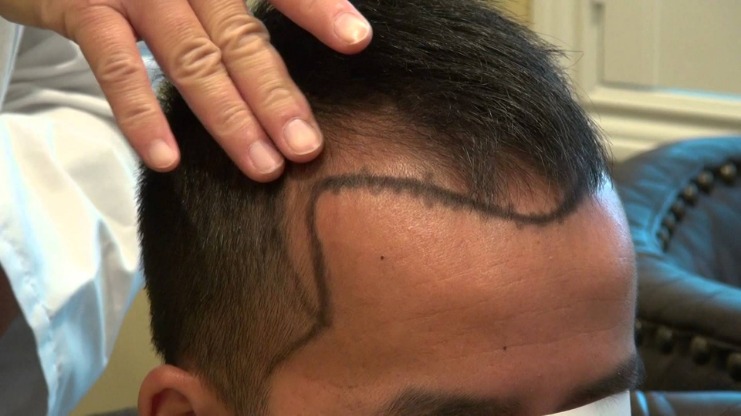
What makes the best outcomes stand out is not just the technology but the artistry. The true hallmark of a natural look lies in hairline design: soft, irregular micro- and macro-zigzags; appropriate temple recession; and the use of single-hair grafts at the leading edge with multi-hair grafts strategically placed behind for volume. Density targets are tailored to hair characteristics—caliber, curl, and color-to-skin contrast—so the transplant doesn’t just look good under studio lights, but in daylight, at every angle. Careful donor management is central. Harley Street surgeons tend to quantify donor reserves meticulously, plan for potential future loss, and avoid overharvesting that could thin the back and sides over time.
Harley Street’s advantage also extends to safety and post-operative support. Clinics usually operate under CQC oversight, with transparent protocols for sterilization, anesthesia, and troubleshooting. Patients benefit from comprehensive aftercare: guided washing, edema control, and staged check-ins to monitor growth. Importantly, an ethical culture prevails; top surgeons regularly advise medical therapy (finasteride, topical minoxidil, or adjunctive PRP) before or alongside surgery, declining to operate when the risk/benefit profile isn’t favorable. Combined, these elements keep hair transplant results consistent, natural, and long-lasting—demonstrating why this historic street remains a global destination.
Choosing the Best Hair Transplant in London: Techniques, Costs, and Results
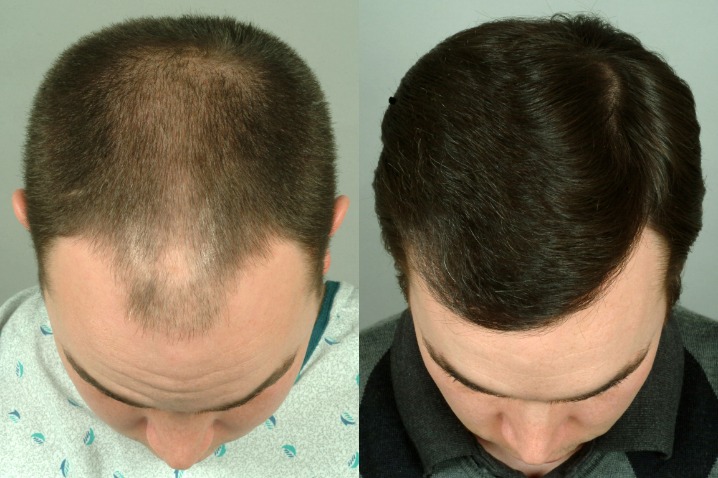
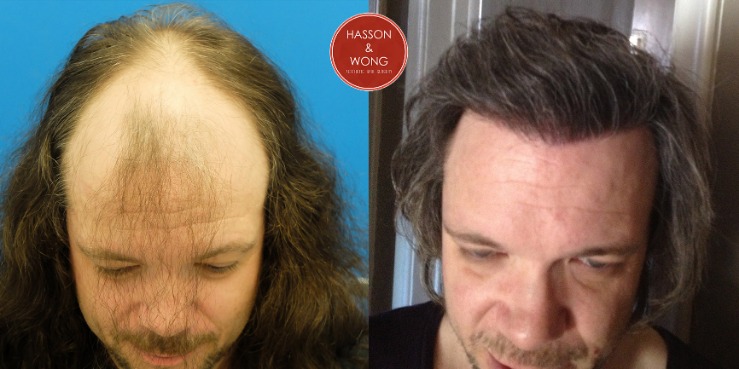
Finding the best hair transplant london experience is less about hype and more about measurable quality. Start with the surgeon’s involvement: top clinics ensure the surgeon personally designs the hairline, performs the incisions (recipient sites), and oversees graft handling. Technicians can assist, but unsupervised, assembly-line models risk variable growth. Transparent before-and-after photos—with consistent lighting, angles, and hair length—are non-negotiable. Look for density that matches surrounding hair and natural temple geometry rather than rigid, straight lines.
Technique matters, but it’s patient-specific. FUE offers dot-like scarring and flexibility for short hairstyles; modern punches and controlled torque minimize transection. FUT can be optimal when large graft counts are needed with limited donor, since microscopic strip dissection preserves follicular units efficiently; the trade-off is a linear scar, which, when closed with trichophytic techniques, can be fine and hair-concealed. DHI (direct hair implantation) and stick-and-place methods can reduce out-of-body time; what counts most is gentle handling, hydration, and a graft survival environment. Adjuncts like PRP may support recovery, and medical therapy often stabilizes native hair, protecting the investment.
Cost in London varies with graft count, surgeon reputation, and case complexity. Expect broad ranges from approximately £3,000 to over £9,000 for typical sessions, with mega-sessions and multi-stage restorations higher. However, price should follow planning: a conservative, staged approach that protects donor supply is worth more than an aggressive, one-time harvest. Timelines are predictable: redness and scabbing settle by day 7–10; shedding may occur at 3–6 weeks; visible growth starts around months 3–4; meaningful density appears at 6–9 months; and final maturation continues up to 12–18 months. Performance is shaped by hair shaft thickness, curl, and skin contrast, plus adherence to aftercare. For many patients, a trusted clinic for hair transplant london offers continuity—from consultation and surgery to long-term follow-up—and that consistency is often the real differentiator behind excellent outcomes.
Real Patient Pathways: Case Studies and UK-Specific Considerations
Case Study 1: A 32-year-old male with Norwood 3 recession, coarse dark hair, and strong donor density seeks a subtle rebuild of the frontal third. The plan: 2,200 FUE grafts, with approximately 450 single-hair grafts placed along a soft, slightly recessed hairline and 1,750 multi-hair grafts behind for volume. Using a 0.9 mm punch and atraumatic placement, the target density averaged 45 FU/cm² in the frontal band tapering posteriorly. Medical therapy (low-dose oral minoxidil and finasteride) stabilized native hair. At 12 months, he achieved a natural frame without a “transplanted” look—a direct result of conservative hairline placement and judicious graft distribution typical of Harley Street methodology.
Case Study 2: A 47-year-old with Norwood 5A presents with extensive frontal and mid-scalp loss and moderate crown thinning. Because of the scale, FUT followed by FUE was chosen to maximize lifetime donor use. First stage: 2,800 FUT grafts in the frontal-mid zone at 40–45 FU/cm² where coverage was most cosmetically impactful. Second stage (12 months later): 1,500 FUE grafts to refine mid-scalp transitions and lightly address the crown (~30–35 FU/cm²). The measured graft survival exceeded 90%, reflecting high-quality harvesting, minimization of graft out-of-body time, and meticulous storage. Crown coverage remained conservative to protect long-term donor reserves—a strategy aligned with hair transplant best practices in London’s top centers.
Case Study 3: A 28-year-old female with diffuse thinning and low donor density. Ethical assessment deemed her a poor surgical candidate due to diffuse unpatterned alopecia, where donor hair mirrors recipient miniaturization. The plan emphasized medical optimization (topical minoxidil, iron and thyroid screening, anti-androgen discussion where appropriate) and non-surgical aesthetic strategies, including scalp micropigmentation to reduce contrast and volumizing hairstyles. This case highlights a hallmark of responsible hair transplant uk care: no surgery is better than the wrong surgery.
Beyond individual stories, UK-specific considerations support safer outcomes. Clinics should be CQC-registered, surgeons on the GMC specialist register, and consent must outline realistic densities and future loss patterns. Discussions often include timelines for return to work, gym, and sun exposure; the role of PRP; and if beard-to-scalp grafts may be needed for advanced cases. Patients with Afro-textured hair may benefit from specialized punch selection and technique to respect curl and reduce transection. Eyebrow or beard restoration follows similar principles of angle, direction, and single-hair placement. For many, Harley Street’s ecosystem—close collaboration between surgeons, anesthetists, and trained technicians—delivers predictable, natural coverage that preserves donor for potential future needs. With the right plan, hair transplant surgery in London blends artistry and science to create results that stand the test of time.