How Others See You: The Secrets Behind “How Old Do I Look”
What influences the answer to "how old do i look"
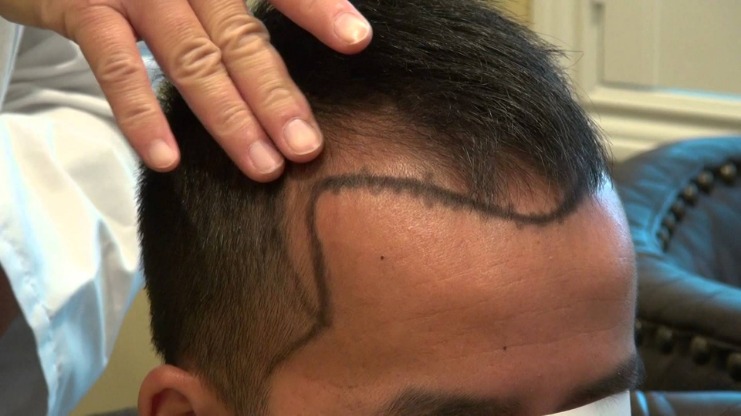
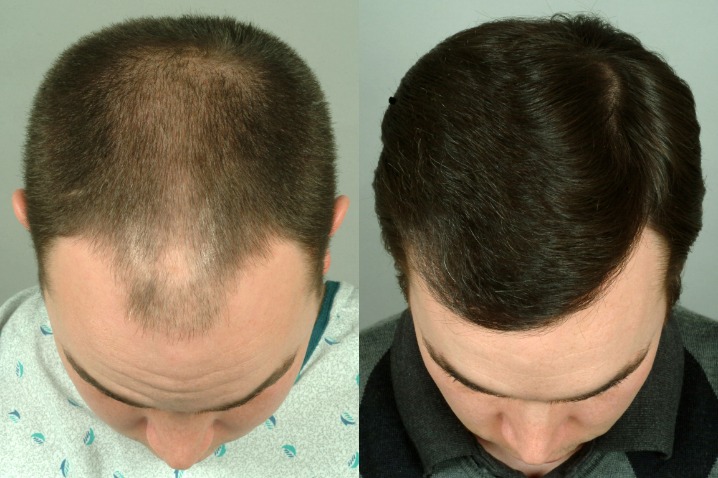
Perceived age is shaped by a complex mix of physical cues, cultural expectations and situational context. Facial features such as fine lines, wrinkles, skin texture and facial volume are immediate visual signals used by observers to estimate age. Eye area changes—crow's feet, under-eye hollows and eyelid laxity—often carry more weight than other facial regions because they are highly visible in expressions and photographs. Hair, including color, density and hairline recession, also provides strong age-related cues: gray or thinning hair typically leads to an older perceived age, while a full, well-styled head of hair can create a younger impression.
Beyond anatomy, lifestyle factors like sun exposure, smoking, alcohol use and sleep quality alter skin elasticity and tone, which then affects age perception. Clothing, grooming and makeup choices serve as social signals: a modern haircut, flattering wardrobe and skin-care routine can deliberately shift perception by aligning a person's appearance with youthful or mature style cues. Even posture and energy level matter—an upright stance and lively facial expressions often make a person seem younger, while slumped posture and less animated facial expressions may increase perceived years.
Cultural context and observer bias play roles too. Different cultures have varying standards for what looks “old” or “young,” and observers often rely unconsciously on stereotypes about age-related behavior. Lighting, camera angles and image quality can drastically change estimates; harsh top lighting exaggerates shadows and texture, adding perceived years, while diffuse frontal lighting smooths skin and reduces age indicators. Because so many elements interact, a single number for how old do i look can vary widely depending on who’s judging and under what conditions.
How to influence perceived age: grooming, style and lifestyle strategies
Changing perceived age is often achievable through targeted grooming, wardrobe and lifestyle adjustments. Skin care that emphasizes hydration, sun protection and active ingredients like retinoids or vitamin C improves texture and brightness, which reduces visible age cues. Regular use of sunscreen prevents photoaging, one of the largest contributors to premature aging. For the immediate effect, makeup techniques—color-correcting concealers, foundation with light-diffusing pigments, strategic contouring and highlighting—can soften shadows and create a smoother, more youthful appearance.
Hair choices can create dramatic shifts in age perception. A contemporary haircut with layers or a shorter, more polished cut often conveys youthfulness, while stale or overly severe styles can add perceived years. Hair color that minimizes harsh gray contrast—through lowlights, all-over color or soft balayage—tends to reduce an older look. Grooming of facial hair matters: a tidy beard can age or rejuvenate depending on cut and maintenance; a clean shave often gives a more youthful, softer jawline.
Lifestyle modifications deliver both short- and long-term benefits. Improved sleep patterns, hydration, balanced diet rich in antioxidants, reduced alcohol consumption and smoking cessation all contribute to healthier skin and a more energetic appearance. Physical fitness and strength training preserve posture and muscle tone, while stress management reduces inflammatory processes that affect skin health. Fashion choices that fit well and reflect current trends can also shift perception by aligning a person’s presentation with younger style cues. Small, consistent changes across grooming, hair, and lifestyle usually produce the most convincing and sustainable adjustments to how others estimate age.
Real-world examples, tools and case studies on age estimation
Numerous real-world examples illustrate how context changes age perception. Consider celebrities whose perceived ages fluctuate with role transformations: actors who dye and style hair, change fitness habits or modify makeup often appear decades younger or older on screen. Before-and-after case studies in dermatology show measurable reductions in perceived age after interventions like fillers, laser resurfacing and professional skin peels—procedures that restore volume and smooth texture. Clinical studies typically use blinded raters to estimate age before and after treatment, demonstrating tangible shifts in perceived age that correlate with objective improvements in skin elasticity and volume.
Technology now offers tools that approximate public perception. Age-estimation algorithms analyze facial landmarks, skin texture and other biometric features to predict an age range. These tools can be informative for understanding which visual cues are most influential, but they are not infallible; variations in ethnic background, lighting and facial expression can produce inconsistent results. For those curious about impressions in everyday life, interactive websites and apps allow users to upload photos and see how algorithms respond—one commonly used resource is how old do i look—but results should be treated as a single datapoint rather than definitive judgment.
Case studies from style consultants and image coaches highlight practical outcomes: updating a wardrobe to better-fitting, contemporary pieces often yields immediate reductions in perceived age during social or professional interactions. Similarly, targeted dental work or orthodontics that improve smile symmetry can alter perceived age by changing the expressiveness and perceived vitality of the face. Taken together, clinical interventions, cosmetic adjustments and everyday styling provide multiple avenues to influence how others answer the question of perceived age, with evidence showing that coordinated changes typically produce stronger effects than isolated tweaks.