Design Principles and Lighting Types for the Kitchen Island
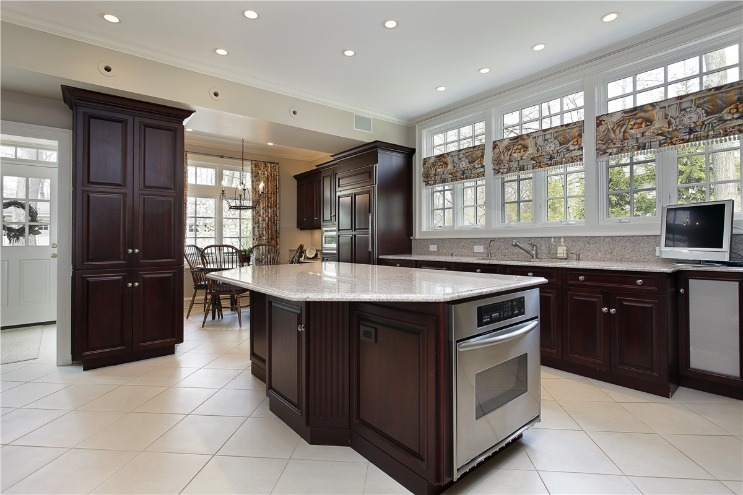
The kitchen island is often the focal point of modern kitchens, serving as a workspace, gathering spot, and visual anchor. Choosing the right kitchen island light transforms that focal point into a purpose-driven, stylish element. Start by understanding three primary lighting roles: task, ambient, and accent. Task lighting delivers focused, bright illumination for food prep and cooking; ambient lighting provides overall room brightness; accent lighting highlights architectural details or decorative objects. For islands, task lighting is critical, so pendants and linear fixtures are the most popular choices.
Pendant lights offer flexibility in style and scale, from single dramatic fixtures to a coordinated cluster. They come in various materials—metal, glass, rattan, and ceramic—each creating a distinct mood: metal for industrial edge, glass for modern clarity, and woven materials for warmth. Linear island lights or multi-light chandeliers provide uniform illumination across longer islands and often pair well with open-plan layouts. Consider adjustable-height pendants or fixtures with dimmable drivers to shift between bright task lighting and softer dining illumination.
Fixture placement and layering are essential. Layering means combining ceiling fixtures, under-cabinet strips, and recessed lights so the island benefits from both direct and indirect illumination. Color temperature also matters: around 2700K–3000K offers warm, inviting light for social settings, while 3000K–3500K provides crisp, task-friendly clarity. Finally, choose finishes and shapes that complement cabinetry, hardware, and countertop materials—contrasting finishes can make the island light a curated focal point, while matching tones create cohesion.
Practical Considerations: Size, Height, Bulb Selection, and Installation
Getting the scale right prevents fixtures from overwhelming the space or failing to provide sufficient light. A simple guideline: add the length and width of the kitchen in feet, and use that total in inches to determine fixture diameter for a central chandelier; for an island, aim for pendants with diameters that visually balance the countertop—usually 10–16 inches for small islands, 16–22 inches for medium, and larger or multiple pendants for long islands. For linear fixtures, choose a length that covers roughly two-thirds to three-quarters of the island’s surface.
Height above the countertop directly affects glare and task visibility. Standard recommendations place pendants 30–36 inches above the countertop for 8-foot ceilings, increasing slightly with higher ceilings. If seating faces the island, consider raising the lights a few inches to avoid obstructed sightlines. Bulb choice influences both performance and ambiance: LED bulbs are energy-efficient, long-lasting, and available in varied color temperatures and CRI ratings. Opt for high-CRI (90+) LEDs where food presentation and true color rendering matter most.
Wiring and mounting must match the fixture’s weight and electrical requirements. For heavier fixtures, reinforced ceiling boxes and dedicated supports are necessary. Dimming compatibility is another practical factor—ensure switches and drivers are matched to avoid flicker. When shopping, compare lumen output rather than wattage; kitchens typically require 300–500 lumens per square foot for work areas, but islands can be served with 400–800 lumens per pendant depending on task load. For curated inspiration or high-quality fixtures, consider exploring options like Kitchen Island Light that combine form and function.
Real-World Examples and Styling Tips to Inspire Your Choice
Case studies from renovated kitchens reveal how lighting choices can redefine a space. In a contemporary loft conversion with a long marble island, designers installed a linear LED fixture with a slim profile and adjustable warmth. This solution provided uninterrupted task light while maintaining a minimalist aesthetic. Contrast that with a farmhouse remodel where three oversized industrial pendants with aged bronze finishes added tactile warmth and visual rhythm above a butcher-block island—this approach created a strong stylistic statement while delivering ample illumination.
Another instructive example comes from a small urban kitchen where spatial constraints ruled out large pendants. The designers used two compact glass pendants hung slightly off-center over prep zones and supplemented them with recessed ceiling cans and under-cabinet strips. The layered approach eliminated shadows and preserved sightlines, demonstrating that clever layering can compensate for size limitations. For families who use the island for homework and crafts, adjustable dimming and color-tunable LEDs allow the same space to serve multiple needs without replacing fixtures.
Styling tips: coordinate fixture scale with island seating configuration—single pendants work well over prep zones, while evenly spaced smaller pendants are ideal above breakfast bars. Mix materials to add depth; a matte black pendant can anchor light-toned counters, while brass or gold accents warm cool palettes. Consider glass shades for translucency if you want a light, airy feel, and opaque or metal shades when directional, focused light is preferred. Finally, integrate lighting into the kitchen’s story—use fixtures as architectural punctuation or subtle complements, and prioritize practical aspects like glare control, maintenance, and energy efficiency to ensure the island light performs beautifully over time.