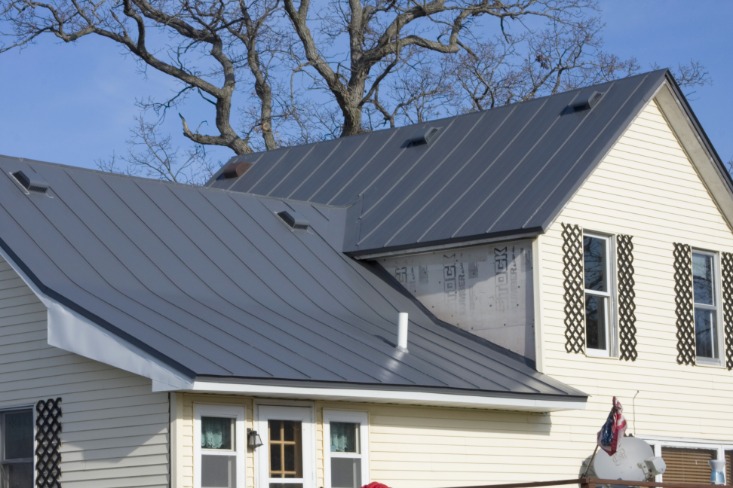
A well-cared-for home functions like a healthy ecosystem: every system—from roofing and siding to plumbing and HVAC—interacts in ways that impact comfort, safety, and value. Small issues ignored today often snowball into bigger repairs tomorrow, so the smartest strategy blends preventive maintenance, timely fixes, and thoughtful upgrades that pay you back. Whether patching drywall, sealing ducts, or rehabbing a tired bathroom, successful home repair starts with sound assessment, clear priorities, and a plan that respects budget, code, and schedule. This guide outlines practical steps to reduce risk, avoid hidden costs, and extend the life of finishes and equipment. Along the way, it highlights why moisture control, air sealing, and right-sized improvements deliver some of the highest returns—boosting efficiency and resilience while protecting what matters most.
Assess, Prioritize, and Plan: The Foundation of Effective Home Repair
Every strong project begins with a clear picture of what’s wrong and why. Start by addressing health and safety hazards: active leaks, the smell of gas, tripped breakers, sparking outlets, sagging ceilings, or wobbling stair treads. Know where water, electrical, and gas shut-offs are and test smoke/CO alarms before any invasive work. After immediate hazards are stabilized, document conditions with photos and notes. Track where problems appear, how often, and under which conditions. A stain that expands after rain, for example, points to roof flashing or siding, while a stain below a second-floor bath may indicate plumbing. Root-cause thinking prevents cosmetic “band-aids” that fail fast. If you can’t confidently explain the failure—movement, moisture, heat, or wear—pause before swinging a hammer.
Next, prioritize by impact, urgency, and cost. Issues that threaten structure or invite moisture intrusion rise to the top because water accelerates decay, mold, and rot. Close behind are repairs that improve building performance: weatherstripping exterior doors, sealing attic penetrations, and tuning HVAC often yield lower energy bills and better indoor air. Then evaluate visible flaws—cracked tiles, peeling paint, squeaky flooring—that undermine value or livability. For each item, outline scope, materials, and whether a permit applies. Many jurisdictions require permits for structural, electrical service changes, or plumbing relocations; skipping them can void insurance or complicate resale. When finishes will be disturbed in older homes, consider lead-safe practices and test for asbestos before sanding, cutting, or demo.
Finally, build a written plan with budget ranges and timelines. Group tasks by location to minimize repeated setup and cleanup—if walls are open for a leak, add backing for grab bars or run low-voltage cabling while access is easy. Create a contingency of 10–15% to absorb surprises behind walls. Sequence messy work (demo, framing) before delicate finishes, and schedule seasonally: exterior paint and roofing prefer dry, mild weather, while attic air sealing is easier in cooler months. Favor durable, maintainable materials—silicone around wet areas, stainless fasteners outdoors, and mold-resistant drywall in baths. Estimate disposal needs and plan dust control to protect occupants and finishes. This combination of documentation, triage, and planning turns reactive fixes into a proactive path that saves money and stress.
DIY vs. Pro: When to Roll Up Sleeves and When to Call Specialists
Choosing between DIY and hiring a pro hinges on three tests: risk, complexity, and time. Low-risk, low-complexity tasks—painting walls, installing peel-and-stick backsplash, replacing a faucet cartridge, swapping a toilet flapper, patching small drywall holes, re-caulking tubs, or assembling shelving—are ideal for confident homeowners with basic tools. They offer quick wins and visible results. Mid-tier jobs—installing a new vanity, laying luxury vinyl plank, replacing a garbage disposal, or adding attic baffles—are doable with careful research, manufacturer instructions, and the right safety gear. The key is understanding limits: a neat seam, a true corner, and a properly torqued fastener matter as much as the tool you use. When mistakes risk leaks, shocks, or structural damage, that’s your stop sign.
Professional help is prudent whenever work intersects with life-safety systems, structural integrity, or code-heavy installations. Hire licensed specialists for electrical service upgrades, panel work, new circuits, or knob-and-tube abandonment; for gas lines, flues, and heat-producing appliances; for foundation repairs and load-bearing alterations; for steep or high roofing; for window replacements affecting egress; and for sewer or main drain issues. Moisture remediation—crawlspace encapsulation, basement waterproofing, and exterior flashing—also benefits from experienced pros who understand building science, not just cosmetics. Verify licensing and insurance, ask for a written scope, a schedule with milestones, permit handling, and a clear change-order process. Request lien releases and structure payments against milestones, keeping a modest retainage until punch list completion and final inspection.
When the job crosses trades or uncovers hidden conditions, partner with a licensed contractor whose Home Repair expertise includes diagnostics, permitting, and coordination. Seek two or three comparable proposals and evaluate more than price: materials, warranties, cleanup, protection of existing finishes, and post-completion support often separate reliable pros from the rest. Clarify whether pricing is fixed-bid or time-and-materials; either can work when scope is defined and communication is documented. Before work begins, photograph existing conditions, note serial numbers for appliances or fixtures being replaced, and label shut-offs. During the job, brief check-ins keep questions small and schedules tight. Involving the right expert at the right time turns risky guesswork into predictable results—and preserves warranties, resale value, and peace of mind.
Real-World Fixes: Case Studies and Pro Tips That Save Money and Stress
A small bath with a musty odor and curling baseboards seemed like a paint problem, but a moisture meter told the real story: readings hovered around 18% at the vanity wall after showers. Opening the toe-kick revealed a slow drip at the P-trap compression nut, wicking into MDF trim. The repair replaced the trap with solvent-welded PVC, upgraded the supply lines to braided stainless, reinstalled the baseboard in PVC to resist swelling, and added a 110 CFM fan on a humidity-sensing switch. Tile edges were re-sealed with 100% silicone, and the vanity backsplash received a cap bead to break capillary action. Total cost was modest but impact was big: dry readings dropped below 12%, odors vanished, and finishes stayed crisp.
In a 1970s ranch with hot summers and cold drafts, energy bills felt high despite a newer furnace. The culprit was uncontrolled air movement. An attic walkthrough found gaps around top plates, can lights, and plumbing stacks, plus thin, uneven insulation. The fix began with air sealing: fire-rated foam at chases, gaskets over can lights rated IC/AT, mastic on duct connections, and weatherstripping at the hatch. Cellulose insulation was then blown to R-49, with baffles installed at eaves to maintain ventilation. Registers were balanced and the thermostat optimized with a smart schedule. Comfort improved immediately, dust levels fell, and utility bills dropped roughly 22% over the next year. The lesson: air seal first, insulate second, and always protect ventilation paths to avoid moisture problems.
A porch with spongy boards and a hairline crack in the living room ceiling hinted at more than surface wear. Probing with an awl showed rot near the ledger—the structural connection between deck and house—where flashing had been omitted. Water tracked behind siding during storms, wetting rim joists and the top of the foundation wall. The remedy removed the deck, replaced compromised framing with pressure-treated lumber, installed properly lapped flashing and a self-adhered membrane, and re-pitched the decking to shed water away from the house. Fasteners were upgraded to exterior-rated coated screws, and a breathable, penetrating stain finished the surface. Indoors, a simple drywall repair and repaint closed the loop. With correct water management, the porch earned a five-year workmanship warranty and the home’s structural risk was eliminated.
Across these examples, the throughline is clear: diagnose before you demo, respect water and electricity, and choose durable materials that match the exposure. Build in maintenance—re-caulk wet areas annually, clean gutters each fall and spring, test GFCI/AFCI quarterly, and replace HVAC filters on schedule. Track repairs and warranties in a simple log so future decisions are faster and smarter. By combining careful assessment, right-sized solutions, and consistent follow-through, everyday fixes become long-term upgrades that safeguard value, comfort, and safety.