Piano Lessons That Embrace Neurodiversity: Structure, Sound, and Self-Expression for Autistic Learners
Why Piano Fits the Way Many Autistic Minds Learn
The piano is uniquely suited to many autistic learners because it combines clear structure with rich sensory feedback. Keys are laid out in predictable patterns. Press a key and you receive immediate, concrete auditory and tactile results. This reliable cause-and-effect loop supports attention, builds confidence, and reduces ambiguity that can make other activities feel overwhelming. For families exploring piano lessons for autism, that blend of order and creativity can be a powerful foundation for growth.
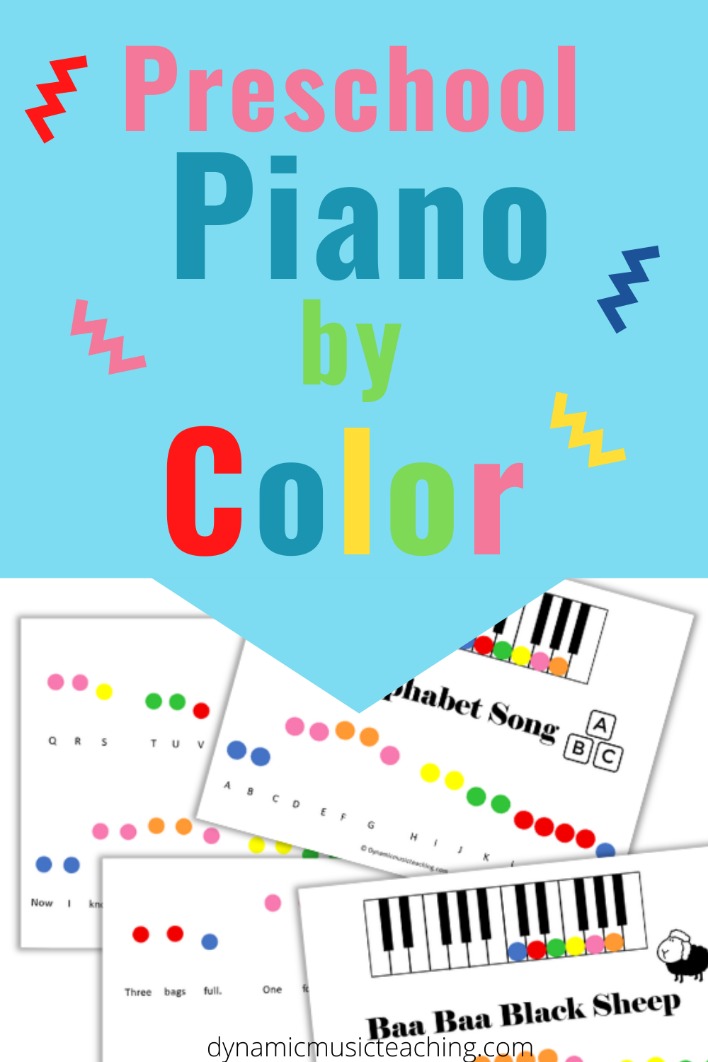
From a cognitive standpoint, the instrument rewards pattern recognition and incremental progress. Scales, chord shapes, and left–right hand patterns transform into recognizable songs through small, repeatable steps. For learners who thrive on routine, the piano’s logical design becomes a friendly map. Teachers can use consistent visual cues, color-coding, and step-by-step checklists to make abstract musical ideas concrete. These tools anchor working memory, ease transitions, and help generalize skills from one piece to the next.
On the sensory side, piano playing can support regulation. Some students prefer the gentle vibration of low notes; others enjoy bright, staccato textures in the upper registers. Volume can be precisely controlled, and digital pianos permit headphone use and adjustable touch sensitivity. Thoughtful teachers experiment with timbre, dynamics, and tempo to find each student’s comfort zone. For learners who experience auditory sensitivity, methods like “first-then” warmups (first soft single tones, then short patterns) and predictable countdowns before louder passages minimize startle responses and make practice feel safe.
Beyond individual regulation, piano playing opens doors for connection. Duets build turn-taking and joint attention, while call-and-response improvisation offers a low-pressure way to exchange ideas without relying on speech. Mirroring a student’s rhythmic “stim” on the keyboard, then gradually shaping it into a musical motif, communicates respect and curiosity—a core of neuroaffirming teaching. Over time, these shared musical routines can strengthen co-regulation, giving learners tools to navigate stress and celebrate success. For many families searching for piano lessons for autistic child that feel welcoming rather than clinical, the piano’s blend of predictability and expressive freedom is hard to beat.
How to Choose and Collaborate With a Piano Teacher for Autism
The right teacher matters as much as the right instrument. Look for a professional who views autism through a strengths-based, neuroaffirming lens and actively personalizes lessons. A skilled piano teacher for autistic child understands that communication, attention, and sensory needs vary by day—and adjusts accordingly without judgment. Evidence of flexibility might include multiple communication channels (spoken language, visual supports, AAC, gestures), lesson plans that scale up or down in real time, and assessments that value regulation and joy alongside traditional musical benchmarks.
Ask prospective teachers how they structure lessons. Many autistic learners benefit from a predictable arc: a short sensory-friendly warmup, a focused skill block, preferred-song time, and a soothing cooldown. Visual schedules, timers, and clearly defined choices (for example, “two-minute scale or four-measure hands-together drill”) promote autonomy. Be sure the studio environment is adaptable: dimmable lighting, limited extraneous noise, non-scented space, and options like weighted blankets, footstools, or adjustable benches. On digital pianos, features such as touch sensitivity, mellow voices (like electric piano or strings), and backing rhythms can reduce fatigue and make repetition more engaging.
Collaborative goal-setting is essential. Pair musical targets (e.g., fluent five-finger patterns in C and G) with regulation and executive-function goals (e.g., building a three-step practice routine). Honor special interests by transcribing game or movie themes in accessible keys. Reinforcement should be immediate and meaningful: sticker charts help some learners; others prefer token systems, level-ups, or short improvisation breaks after challenging tasks. Always respect communication preferences—do not require eye contact, and welcome AAC or typed responses without delay.
When searching for services, it’s useful to start with directories or studios that specialize in neurodiversity-informed instruction. Families seeking piano lessons for autistic child can explore programs that emphasize sensory-aware spaces, flexible pacing, and teacher training in supportive communication. After a trial lesson, debrief together: What felt good? What was tiring? Which cues worked best? The most successful partnerships evolve through ongoing, compassionate feedback, ensuring the learner’s needs and interests steer the musical journey.
Strategies, Tools, and Real-World Examples That Make a Difference
Effective instruction blends precise scaffolding with learner-led exploration. Start with micro-goals: one bar hands-separate, three correct repetitions, then a preferred activity. Use clear, short cues (“left hand ready,” “two C’s”) and point to color-coded notes or enlarged notation. Support motor planning with stable hand shapes and tactile landmarks (a sticker near middle C, felt dots on key groups). Rhythm often clicks faster when it’s embodied—tap patterns on the piano lid, march, or use a small drum before transferring to keys. For beat stability, many students prefer looped drum tracks over a click; a soft shaker sound can be gentler than a piercing metronome.
Home practice thrives on choice and visibility. A one-page visual menu—Warmup (2 min), Target Skill (3 min), Favorite Song (3 min), Cooldown (1 min)—turns practice into a predictable ritual. A “practice bingo” with squares like “play slowly with a drum loop,” “perform for a pet,” or “try a silly dynamics game” invites autonomy and reduces pressure. Keep sessions short and frequent, aiming for successful, regulated reps rather than long, fatiguing marathons. Record tiny wins on a simple chart to improve recall and motivation.
Case Example 1: Age 7, nonspeaking, uses AAC. The teacher pairs visual icons with chord shapes, teaching “C ocean,” “F forest,” and “G sky” with matching colors. The student triggers AAC buttons labeled with each chord image, then plays the shape with left hand while the teacher improvises right-hand melodies. Result: robust joint attention, smoother transitions, and early song structure recognition—before reading notation. For this learner, piano teacher for autism meant honoring movement and communication differences while building music from reliable patterns.
Case Example 2: Age 12, high anxiety around errors. The studio creates a “Practice Lab” frame: experiments are welcome, and “mistakes” become data. The teacher introduces a three-tier speed system—Turtle, Cat, Cheetah—with the student choosing the speed each day. A looping drum groove replaces the metronome, and the student logs which tempo felt calmest. Over six weeks, the student moves from single-hand, two-measure loops to full hands-together phrases, reporting fewer shutdowns and more willingness to try new pieces.
Case Example 3: Age 15, passionate about video game music and composition. The teacher extracts core motifs, simplifies left-hand textures, and uses chord charts before full notation. They co-create a performance plan that alternates intense pieces with soothing interludes and uses noise-reducing in-ear monitors on stage. Measurable growth appears not only in repertoire but in executive skills: organizing practice, cueing accommodations, and advocating for lighting and sound preferences at recitals. Here, centering the student’s interests transforms motivation and stamina.
Across ages and profiles, the consistent throughline is respect: follow sensory cues, respond to communication in all forms, and celebrate authentic expression. In this environment, piano lessons for autism do more than teach scales—they nurture agency, resilience, and joy. When teachers, caregivers, and learners co-design supports—visual schedules, flexible tempos, AAC-friendly prompts, and interest-based repertoire—the piano becomes both a steady scaffold and a canvas for self-discovery.