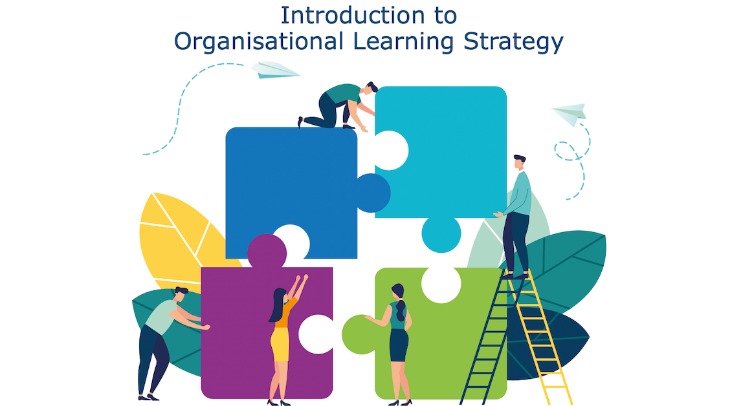
Designing Enhanced Training Programs with Generative AI and Adaptive Paths
Organizations looking to elevate performance must move beyond static slide decks and occasional seminars. Modern learning ecosystems combine instructional design best practices with AI eLearning development tools that automate content creation, personalize delivery, and continuously measure impact. Enhanced Training integrates learning objectives, competency frameworks, and on-the-job reinforcement through data-driven algorithms that shape what employees see and when.
At the core of this transformation are Generative AI for training models that rapidly produce scenario-based exercises, quizzes, and multimedia assets tailored to role-specific needs. An AI course creator can ingest SOPs, regulatory text, and subject matter expert notes, then output modular lessons and micro-assessments that align to compliance and performance metrics. When combined with AI adaptive learning paths, learners receive content sequenced by mastery rather than by tenure, shortening time-to-competency and reducing redundancy.
Implementation requires governance: ensure data privacy, validate model outputs with subject-matter experts, and maintain version control for regulatory artifacts. Metrics to track include knowledge retention, transfer to job tasks, incident reduction, and time saved in content production. The result is an agile learning program that scales—delivering consistent onboarding and upskilling while adapting to each employee’s pace through predictive recommendations and frequent, bite-sized reinforcement.
Templates, Compliance, and Multilingual Conversion for Operational Readiness
Structured templates accelerate rollout and ensure consistency across locations and departments. An SOP template or an OSHA Written Programs template provides a standardized foundation for operational procedures and safety programs, reducing legal exposure and improving clarity. Templates tied directly into the learning platform allow courses to reference the exact procedural language employees must follow, minimizing interpretation gaps between policy and practice.
Multilingual conversion is a critical but often overlooked element of equitable training. Converting training to Vietnamese and other languages should be more than literal translation; it must account for cultural context, local regulations, and technical terminology. Automated translation tools can speed the process, but a hybrid approach—using machine translation followed by human review—ensures accuracy and cultural relevance. For organizations operating globally, a centralized template library that supports localized variants reduces duplication of effort and ensures compliance across jurisdictions.
Practical deployment examples often start with the basics: integrate a compliant New hire orientation template into the LMS so that every new employee receives standardized safety briefings, role expectations, and required certifications on day one. Linking templates to assessment data and training records simplifies audits and demonstrates due diligence in safety and regulatory oversight.
AI Authoring Tools, Microlearning, and Real-World Case Studies
The market for AI authoring tools and AI-powered microlearning platforms is expanding rapidly, enabling L&D teams to produce targeted lessons in minutes rather than weeks. These tools support multimedia creation, voiceovers, and interactive scenarios that are optimized for mobile consumption. Microlearning works best when it’s precisely mapped to job-critical skills and delivered at the point of need—alerts, short simulations, or performance support cards reduce error rates and reinforce correct behaviors.
Case studies from manufacturing and healthcare illustrate measurable benefits. One manufacturing firm replaced long classroom sessions with AI-curated micro-modules tied directly to line-floor SOPs, reducing onboarding time by 40% and lowering near-miss incidents through just-in-time refreshers. A healthcare provider deployed an AI employee onboarding workflow that personalized safety and compliance tracks by role, resulting in faster certification completion and improved audit readiness. These real-world examples underscore how pairing structured templates with AI-driven delivery produces both efficiency and safer workplaces.
Adoption best practices include piloting with a high-impact function, validating AI-generated content with frontline experts, and iterating based on learner analytics. When combined, AI eLearning development, robust templates, and adaptive microlearning create a resilient learning architecture that supports continuous improvement, regulatory compliance, and measurable performance gains.