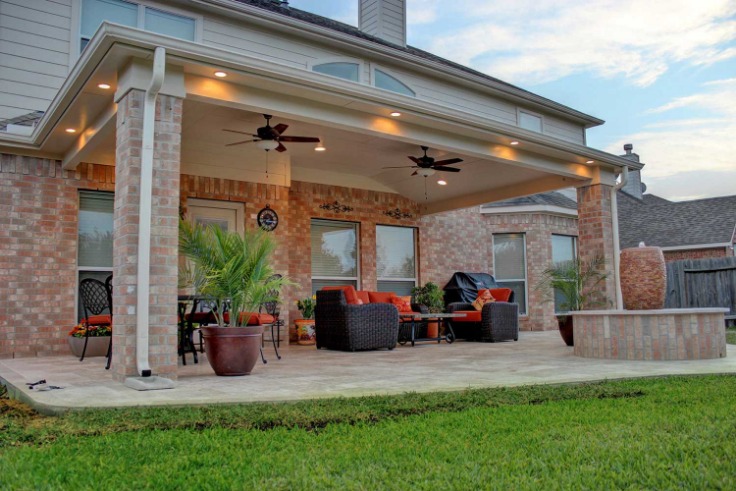
Transform Your Outdoors: Durable, Stylish Solutions with Composite Materials
Why Choose Composite Materials for Outdoor Surfaces?
Homeowners and designers are increasingly turning to composite products for outdoor projects because they combine the look of natural materials with engineered performance. Unlike traditional wood, modern composites resist rot, warping, and insect damage, delivering consistent aesthetics year after year. The composition typically blends recycled plastics and wood fibers, creating boards and panels that are both environmentally conscious and low-maintenance. For anyone weighing options for a patio, façade, or boundary, the promise of longevity without constant upkeep makes composites compelling.
Another key advantage is color retention and surface stability. High-quality composite boards use advanced pigments and UV inhibitors so surfaces retain their shade far longer than painted wood. This reduces the need for sanding, staining, or frequent repainting. From an economic perspective, initial costs can be higher than untreated timber, but lifecycle costs are lower once you account for maintenance, repair, and replacement cycles. The reduced requirement for hazardous chemicals and less frequent maintenance also scores well with sustainable building standards.
Design versatility is a major selling point. Composite systems offer a wide range of finishes—from brushed and hand-scraped textures to smooth, modern looks—allowing easy integration into both traditional and contemporary schemes. They can be cut, routed, and trimmed for custom installs, making them suitable for everything from waterfront decks to urban apartment cladding. When specifying materials, look for warranties and certifications that speak to slip resistance, fire performance, and recycled content, as these indicators reflect real-world performance and environmental responsibility.
Installation, Maintenance, and Longevity of Composite Systems
Proper installation is essential to realize the long-term benefits of composite products. Substructure design, ventilation, and fastening systems all influence performance. Composites generally require a well-spaced joist system to prevent sagging and to allow drainage beneath boards. Hidden fasteners or specialized screws minimize visible hardware and reduce tripping hazards while ensuring boards expand and contract without cupping. Following manufacturer guidelines for spacing and fastener type extends service life and preserves the warranty.
Maintenance for composite surfaces is straightforward: regular sweeping, occasional washing with mild soap, and prompt removal of debris are usually sufficient. Unlike wood, repeated staining or sealing is not necessary. For tougher stains, a soft brush and manufacturer-recommended cleaning solutions will restore appearance without damaging the composite surface. Because composites are less prone to mold and mildew, harsh chemical cleaners are rarely needed; this reduces environmental impact and simplifies care for busy property owners.
When specifying materials, it helps to compare warranties and real-world case histories. Brands with decades of documented performance offer confidence that boards will resist fading, splintering, and structural degradation. For product selection and supply, professionals often recommend trusted vendors; for example, exploring dedicated suppliers such as Composite Decking can provide detailed technical data, installation guides, and project references. Thoughtful detailing around drains, pergolas, and transitions to interior flooring keeps the finished installation looking integrated and performing well for years.
Case Studies and Real-World Applications: Fencing, Cladding, and Decking
Residential projects illustrate the versatility of composite materials. In one suburban renovation, a homeowner replaced a weathered timber deck with composite boards to eliminate annual staining and reduce splinter risk for children. The new deck required less frequent maintenance and held its color through several seasons, while the property’s resale appeal improved due to the updated aesthetic and lower upkeep requirements. In another example, a coastal property chose composite cladding to withstand salt air—its engineered formulation resisted moisture and retained structural integrity where traditional siding rapidly deteriorated.
Commercial applications underscore durability and safety. A multi-unit housing complex used composite panels for balcony decking and vertical cladding to provide a cohesive look with minimal maintenance demands across many units. The composite surfaces delivered slip resistance in wet conditions and reduced the management overhead associated with repainting and pest control. Municipal projects such as park boardwalks and marina walkways benefit similarly; composites withstand heavy foot traffic, resist rot from constant moisture, and require fewer closures for repair, delivering better lifecycle value.
Composite fencing has become a popular option for privacy and boundary definition. Where traditional fencing demands seasonal treatments and is vulnerable to termites and moisture, composite panels remain dimensionally stable and colorfast. Installers find that composite fencing systems integrate well with gates, lighting, and landscaping, creating durable perimeters that enhance curb appeal. When evaluating projects, consider sample installations and long-term performance reports to match the right composite profile to your climate, sun exposure, and design goals.